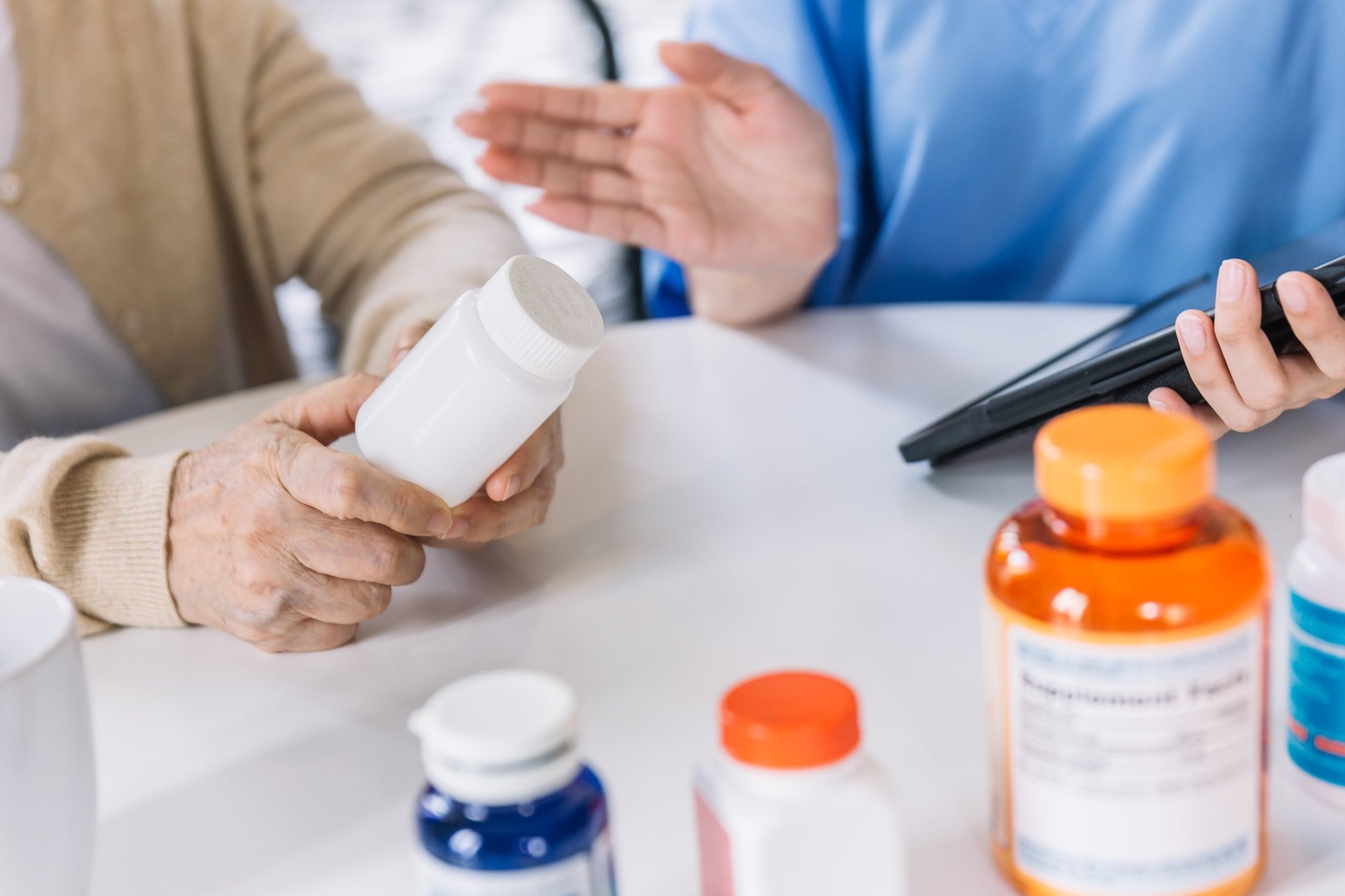
Family support and care
Support for Families & Loved Ones

You're Part of the Solution

When someone you love struggles with addiction, the whole family is affected. You deserve support too—and you can make a difference. Here's how to help your loved one while taking care of yourself.

Understanding

Understanding Addiction as a Family

Addiction is a family disease. It changes family roles, dynamics, and communication patterns. Understanding this helps you respond with compassion instead of blame.

Addiction Is a Brain Disease

Not a choice or moral failing

Addiction changes the brain's structure and function, particularly in areas governing reward, motivation, and self-control. These changes can persist long after someone stops using.

  • Chronic condition requiring ongoing management
  • Genetics play a significant role (40-60% heritability)
  • Effective treatments exist and recovery is possible

Family Role Changes

Everyone adjusts to survive

When addiction enters a family, members unconsciously take on roles to maintain stability. Recognizing these roles is the first step to healthy change.

  • The Enabler: Protects from consequences
  • The Hero: Over-achieves to bring normalcy
  • The Scapegoat: Draws attention away from addiction
Communication

How to Have Difficult Conversations

Talking to a loved one about their substance use can feel terrifying. But silence isn't protection—it's enabling. Here's how to approach the conversation.

The HEARD Approach

H

Hear Without Judgment

Listen to understand, not to respond. Don't interrupt, defend, or argue. Nod, maintain eye contact, and acknowledge their feelings.

E

Empathize With Their Struggle

Acknowledge how hard this is. "This sounds really painful" or "I can see you're going through a lot" validates their experience.

A

Affirm Your Support

Reassure them of your love and commitment. "I'm not going anywhere. I want to help you get through this."

R

Refocus on Recovery

Gently shift to solutions. "What kind of help would feel right for you?" Offer specific resources rather than vague suggestions.

What TO Say

"I love you and I'm worried about you."

"I hear you. That sounds really difficult."

"I'm here to support you, not to judge you."

"What kind of help would feel right for you?"

"I may not understand exactly how you feel, but I care about you."

"We'll get through this together."

What NOT to Say

"Just stop. You have no willpower."

Shame doesn't motivate change

"You're destroying this family."

Blame escalates defensiveness

"I knew you'd never change."

Destroys hope and trust

"You're lying to me again, aren't you?"

Accusations cause withdrawal

Threats made in anger or frustration

Fear-based responses don't work

Self-Care

Setting Boundaries With Love

Supporting someone with addiction doesn't mean enabling harmful behavior. Boundaries protect both you and your loved one. They create space for recovery and prevent the co-dependency that can harm everyone.

Setting boundaries isn't punishment—it's a way of caring for yourself so you can continue to support your loved one in a healthy way. Without boundaries, you risk depleting yourself while your loved one's behavior may worsen.

Boundaries are healthy

They're not rejection—they're protection

Boundaries are necessary

You cannot help anyone if you're depleted

Boundaries are loving

They give your loved one a chance to seek help

Healthy Boundaries You Can Set

"I won't lend you money anymore."

Instead of enabling continued use

"I'll only talk about this when we're both calm."

Prevents heated arguments

"I won't cover for you at work or with family."

Allows natural consequences

"I need to take a break from this conversation."

Your mental health matters too

"I won't allow drug use in my home."

Clear rules protect your space

When Words Aren't Enough

About Intervention

A formal intervention can be a powerful turning point. But timing and approach matter. Here's what you need to know before staging an intervention.

What Is an Intervention?

A structured conversation between a person struggling with addiction and their family and friends, often guided by a professional. The goal is to break through denial and motivate the person to accept help.

  • Family and friends share their concerns
  • Specific examples of how addiction has hurt relationships
  • A treatment plan is ready to implement
  • Clear boundaries and consequences are stated

Important Considerations

Professional Guidance Is Recommended

An untrained intervention can backfire, increasing defensiveness or damaging trust. Consider hiring a professional interventionist.

Timing Matters

Don't stage an intervention when your loved one is intoxicated or in crisis. Wait for a time when they're relatively clear-headed.

Know the Risks

Some people react with anger, threats, or leaving. Have a safety plan. Your wellbeing matters too.

Finding a Professional Interventionist

A trained professional can help plan and facilitate the intervention, increasing the chances of a positive outcome while managing risks.

You Need Support Too

Family Support Groups

You can't pour from an empty cup. Connecting with others who understand your experience is essential for your wellbeing and your ability to help your loved one.

Al-Anon

For families and friends affected by someone else's drinking. Based on the 12-step model. Free meetings worldwide.

Free peer support
In-person & virtual meetings
Focus on codependency
Visit Al-Anon.org

Nar-Anon

For families and friends affected by someone else's drug use. Similar structure to Al-Anon. Free meetings worldwide.

Free peer support
Family-focused approach
All drugs addressed
Visit Nar-Anon.org

SMART Family & Friends

Science-based support using cognitive behavioral techniques. Non-12-step alternative for families.

Evidence-based approach
No spiritual requirements
Online meetings available
Learn About SMART

Families Anonymous

12-step program specifically for families dealing with substance abuse and behavioral problems of a loved one.

Broad focus on behavior
Anonymous membership
In-person & phone meetings
Visit FamiliesAnonymous.org

COSA

For families and partners of sex addicts, including those with multiple addictions. In-person and online meetings.

Focus on multiple addictions
Partner-focused support
12-step based
Visit COSA-Recovery.org

NAMI Family Support

National Alliance on Mental Illness offers family support groups for those with co-occurring mental health and addiction issues.

Co-occurring focus
Free peer-led groups
Nationwide chapters
Visit NAMI.org
Self-Care

Taking Care of Yourself

Supporting a loved one through addiction can be exhausting, isolating, and emotionally draining. Your wellbeing matters—not just for you, but because your loved one needs you healthy.

Physical Health

  • Maintain regular sleep patterns
  • Eat nutritious meals, even when stressed
  • Exercise even briefly each day
  • Avoid using substances yourself

Emotional Health

  • Connect with supportive friends
  • Consider individual therapy
  • Practice stress-reduction techniques
  • Allow yourself to feel emotions

Practical Steps

  • Maintain your own routines
  • Continue hobbies and interests
  • Set aside time for yourself
  • Document for yourself, not to judge

Remember: You Didn't Cause This

Addiction is not your fault. You cannot control your loved one's choices or cure their addiction. What you can do is offer love, support, and encourage professional help—while taking care of yourself in the process.

You Don't Have to Do This Alone

Recovery is possible—for your loved one and for your family. Take the first step today by reaching out for support.

Free support available
Available 24/7
Confidential